

Eco-Friendly Shipping Options for Sustainable Deliveries
JANUARY 13, 2025

When it comes to shipping goods internationally or domestically, choosing the right mode of transportation is a critical decision. Air freight and sea freight are two primary options available for businesses and individuals seeking to move goods across borders. Each has its unique advantages and disadvantages, and the decision often boils down to factors such as speed, cost, reliability, and the nature of the goods being shipped. This comprehensive guide explores the key differences between air freight and sea freight, their benefits, and how to determine the best option for your shipping needs.
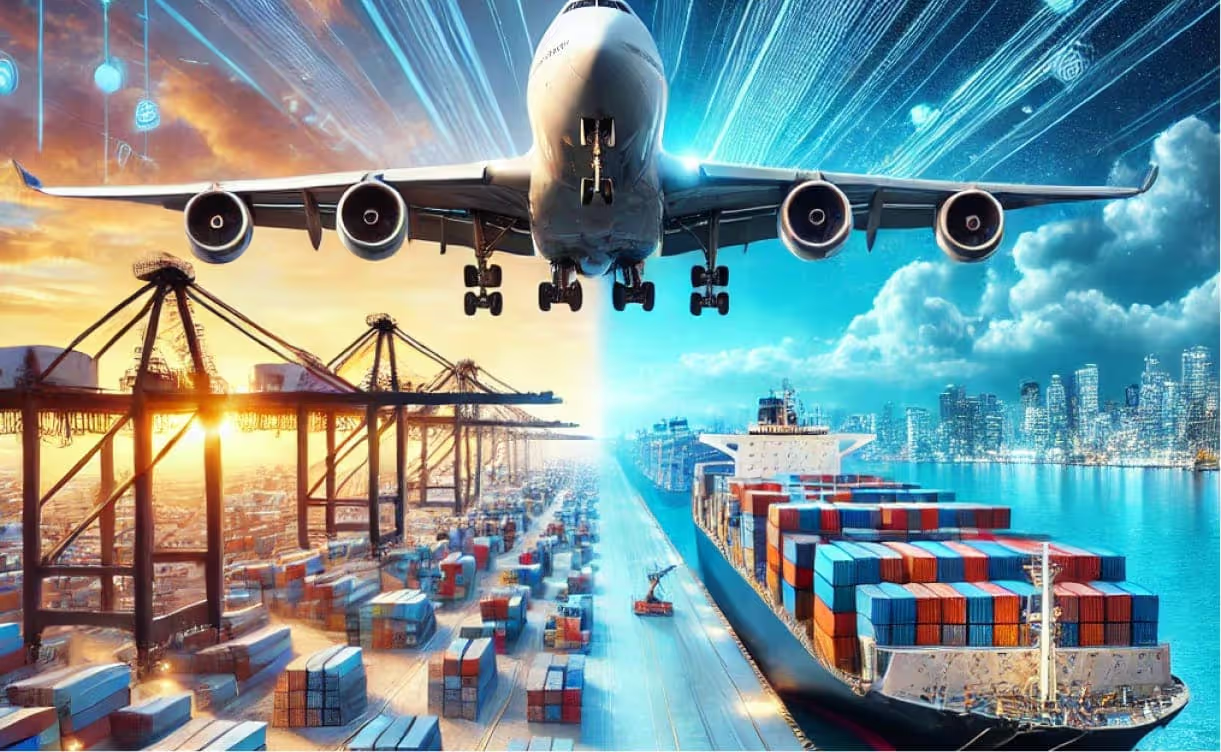
Before diving into the specifics, let’s define air freight and sea freight:
Air Freight: This meth od involves transporting goods by air, typically via cargo planes. It is the fastest way to deliver goods over long distances but comes with higher costs.
Sea Freight: Goods are transported via ships in containers. This method is ideal for large shipments and bulk cargo, offering cost-efficiency but requiring longer transit times.
Both modes play pivotal roles in global trade, providing flexibility for businesses to meet their shipping requirements based on timelines and budgets.
Air freight is synonymous with speed. Cargo planes are designed to deliver goods quickly, often covering thousands of miles in a matter of hours. This is particularly beneficial for businesses dealing with perishable goods, urgent shipments, or high-demand seasonal items.
Advantages of Air Freight Speed:
Fast Transit Times: Delivery within 1-3 days for international shipments.
Reduced Inventory Holding: Faster delivery means businesses can operate with lower inventory levels.
Quick Clearance: Air shipments typically undergo faster customs clearance compared to sea freight.
Sea freight is considerably slower, with transit times ranging from a few weeks to a couple of months, depending on the distance and shipping route. However, advancements in logistics and shipping schedules have streamlined processes, making sea freight more predictable.
When Sea Freight Speed Is Sufficient:
Non-Urgent Shipments: Ideal for goods that don’t require immediate delivery.
Bulk Cargo: Larger volumes can afford longer transit times, especially for cost savings.
Predictable Schedules: Despite being slower, shipping companies provide reliable schedules for planning.
Air freight is significantly more expensive than sea freight, primarily due to the higher operational costs of running cargo planes. Charges are based on weight and volume, with an emphasis on volumetric weight (the amount of space the cargo occupies in the aircraft).
Cost Factors for Air Freight:
Weight vs. Volume: Light but bulky items may incur higher costs.
Fuel and Security: Airplanes require high fuel usage and strict security measures.
Premium Services: Faster delivery justifies higher pricing.
While air freight is costly, it can be cost-effective for small, lightweight shipments or goods with high value.
Sea freight is known for its cost-efficiency, especially for bulk shipments. Costs are calculated based on container size (e.g., 20-foot or 40-foot containers) rather than weight, making it an attractive option for heavy or bulky goods.
Cost Advantages of Sea Freight:
Scalability: More cost-effective for large shipments.
Lower Fuel Costs: Ships are more fuel-efficient compared to planes.
Shared Containers: Options like Less than Container Load (LCL) allow businesses to share container space, reducing costs.
Airplanes have strict weight and size limitations. Cargo holds are designed to accommodate specific dimensions, which can be a constraint for oversized or heavy items. However, advancements in aircraft technology have expanded capacity in recent years.
Ships have far greater cargo capacity, capable of carrying massive quantities of goods in a single voyage. This makes sea freight the go-to choice for heavy machinery, vehicles, and bulk commodities like grains or raw materials.
Air transportation is energy-intensive, contributing significantly to greenhouse gas emissions. Businesses aiming to reduce their carbon footprint may opt for sea freight when possible.
Ships are considerably more fuel-efficient than planes, making sea freight a greener alternative for large-scale shipments. While ships also emit pollutants, their environmental impact is lower when calculated per ton-mile.
Air freight is less affected by external factors like weather or port congestion, offering consistent and reliable delivery schedules. Delays are rare and usually short-lived.
Sea freight is prone to delays caused by weather, port congestion, or customs issues. However, modern tracking systems and improved logistics have enhanced reliability, making it easier to anticipate and manage potential delays.
Air freight is ideal for:
Perishable items (e.g., fresh produce, flowers)
Pharmaceuticals and medical equipment
High-value goods (e.g., electronics, jewelry)
Urgent documents and parcels
Sea freight is better suited for:
Bulk commodities (e.g., oil, coa l, grains)
Heavy machinery and industrial equipment
Oversized cargo (e.g., vehicles, construction materials)
Non-perishable goods (e.g., furniture, textiles)

In some cases, businesses may benefit from combining air and sea freight. Multimodal shipping allows for flexibility, cost savings, and efficiency:
Air-Sea Solutions: Goods are flown to a regional hub and then shipped via sea to the final destination.
Sea-Air Solutions: Cargo travels by sea to a hub and is then transported by air for faster delivery.
This approach balances speed and cost, making it a popular choice for businesses operating in complex supply chains.
To decide between air freight and sea freight, consider the following factors:
Delivery Timeline:
Urgent: Opt for air freight.
Flexible: Choose sea freight.
Budget:
High budget: Air freight for speed and convenience.
Cost-sensitive: Sea freight for affordability.
Nature of Goods:
Fragile, perishable, or high-value: Air freight.
Bulk, heavy, or non-perishable: Sea freight.
Environmental Concerns:
Prioritize eco-friendly options like sea freight when possible.
Destination and Infrastructure:
Remote locations: Air freight for accessibility.
Port-friendly areas: Sea freight for logistical ease.
Both air freight and sea freight offer unique advantages that cater to different shipping needs. Air freight is unmatched in speed and reliability, making it ideal for urgent or high-value shipments. On the other hand, sea freight provides cost-efficiency and scalability, perfect for bulk goods and non-urgent deliveries.
Understanding your shipment’s specific requirements, budget constraints, and timeline will help you make an informed decision. Partnering with a reputable logistics provider ensures a seamless experience, whether you’re navigating the skies or sailing the seas.
By weighing the pros and cons of each method and considering the nature of your goods and delivery needs, you can choose the best transportation mode to support your business objectives and customer satisfaction.