

Proactive Problem Solving with Advanced Parcel Tracking Features
JANUARY 13, 2025

In today’s fast-paced world, ensuring the timely and secure delivery of goods is critical for both businesses and individuals. Internet tracking systems have revolutionized the way shipments are monitored, providing real-time updates on the status and location of parcels. Whether you're shipping by land, sea, or air, leveraging online tools can enhance your delivery process, improve customer satisfaction, and streamline logistics.
This comprehensive guide explores how to use an internet tracking system for your shipments effectively, offering step-by-step instructions and valuable tips to make the most of these modern tools.

An internet tracking system allows shippers, businesses, and customers to monitor the movement of goods in real-time. Using GPS, barcode scanning, and advanced software, these systems provide:
Real-time Location Updates: Know exactly where your shipment is at any moment.
Delivery Status Notifications: Receive alerts on delivery milestones.
Proof of Delivery: Verify that goods have reached their destination safely.
Popular tracking systems are integrated into logistics platforms, mobile apps, and websites, making them accessible to users around the globe.
Tracking systems offer complete visibility into the shipping process, reducing uncertainties and providing real-time data on:
Estimated delivery times.
Delays or route changes.
Current shipment locations.
By providing customers with tracking information, businesses can:
Enhance trust and confidence.
Reduce inquiries about shipment status.
Offer a seamless shopping experience.
For businesses, tracking systems streamline logistics by:
Optimizing delivery routes.
Minimizing lost or delayed shipments.
Reducing manual tracking efforts.
Knowing the real-time location of goods reduces the risk of theft or loss, especially for high-value or sensitive shipments.
Internet tracking systems rely on several key technologies to provide real-time updates:
Global Positioning System (GPS) technology enables precise location tracking, especially for vehicles transporting goods by land or air.
Each shipment is assigned a unique code scanned at every checkpoint, updating its status in the system.
Internet of Things (IoT) devices monitor shipment conditions such as temperature, humidity, and vibrations, especially for sensitive goods.
Cloud-based systems store and process tracking data, making it accessible from any device with an internet connection.
Ensure your shipping carrier offers robust tracking capabilities. Some popular carriers include:
Once your shipment is booked, you’ll receive a tracking number or ID via email or SMS. This number is essential for monitoring your shipment.
Visit the carrier’s official website or download their mobile app. Enter your tracking number in the designated field to access real-time updates.
Familiarize yourself with common tracking statuses such as:
In Transit: Shipment is on its way.
Out for Delivery: Shipment is en route to the final destination.
Delivered: Shipment has arrived at its destination.
Exception: An issue has occurred, such as a delay or address error.
Set up email or SMS notifications for automatic updates on your shipment’s status.
Many systems offer additional features such as:
Route optimization.
Estimated delivery times.
Delivery confirmation with electronic signatures.
If you encounter problems, contact the carrier’s customer service team. Have your tracking number ready for quicker resolution.
Businesses can integrate tracking APIs into their websites or apps, offering customers a seamless experience.
For expensive or sensitive goods, use systems with enhanced security features such as geofencing alerts.
Provide clear instructions to customers on how to use tracking tools. This reduces inquiries and improves satisfaction.
Ensure accurate recipient contact details to avoid missed notifications or failed deliveries.
Many tracking systems offer analytics dashboards that provide insights into:
Delivery performance.
Route efficiency.
Customer feedback.
Track multiple vehicles or shipments simultaneously, ensuring efficient resource allocation.
AI-powered tools predict delivery times and identify potential delays, allowing proactive measures.
Businesses can offer a branded tracking experience, reinforcing their identity and professionalism.
Integrate tracking data with ERP or CRM systems for seamless operations.
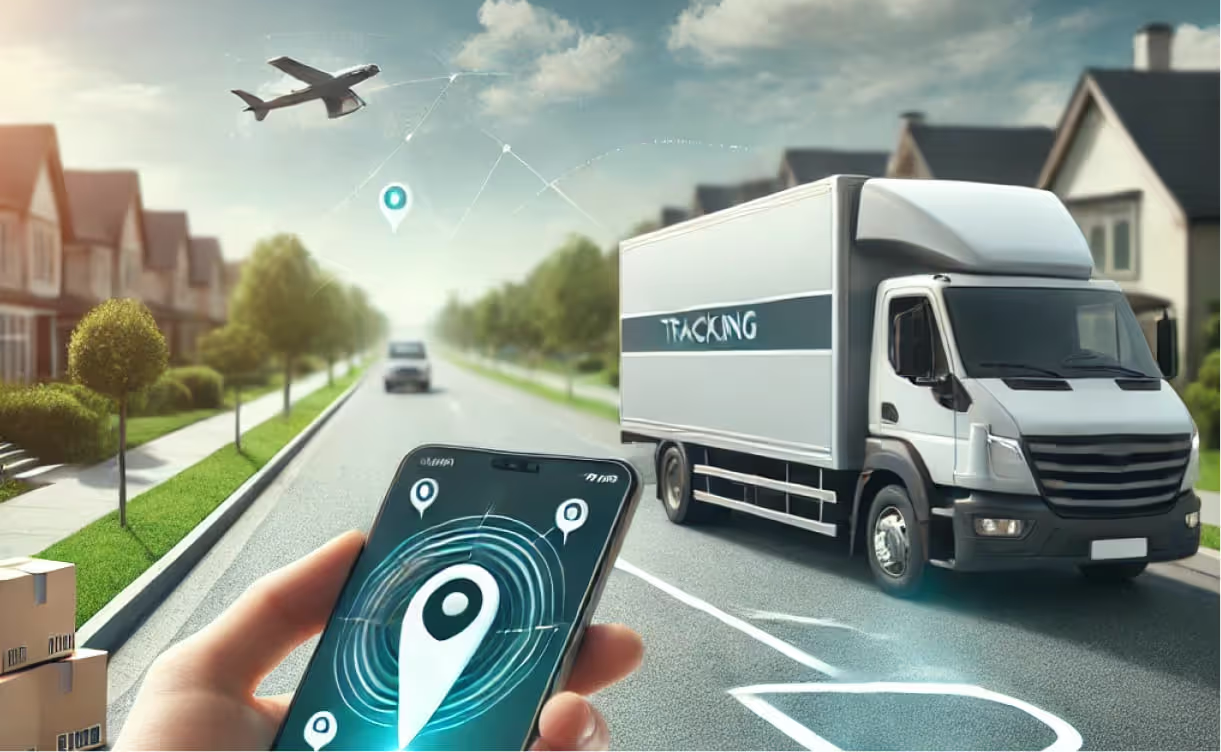
Tracking discrepancies can occur due to system errors or manual input mistakes. Regularly monitor updates for accuracy.
Ensure that your carrier uses advanced systems with real-time notification capabilities.
Some remote areas may lack robust tracking infrastructure. Choose carriers with extensive networks to mitigate this issue.
Ensure that your chosen tracking system complies with data protection regulations, safeguarding sensitive customer information.
Blockchain technology enhances transparency and security by creating tamper-proof records of shipment activities.
Drones and self-driving vehicles equipped with GPS and IoT devices will revolutionize real-time tracking capabilities.
Artificial intelligence will improve route optimization and predict potential disruptions with greater accuracy.
AR tools may allow users to visualize shipment locations and conditions in real-time.
Using an internet tracking system for your shipments is a game-changer in the logistics industry. By providing real-time updates, enhancing transparency, and improving efficiency, these systems meet the demands of modern trade and consumer expectations.
Whether you’re a business looking to streamline operations or an individual wanting peace of mind, understanding how to leverage these tools is essential. As technology continues to evolve, shipment tracking will become even more advanced, offering unparalleled convenience and security.
By following the steps and tips outlined in this guide, you can harness the full potential of internet tracking systems, ensuring timely and secure deliveries every time.